By Roger Wakefield, Licensed Master Plumber · Published November 9, 2026
Quick answer: How do you find a sprinkler line leak? You find a sprinkler line leak by first proving the leak is on the irrigation system and not the house: shut the valve at the backflow preventer and watch the water meter. If the meter stops turning, the leak is on the irrigation side. Then run the system, walk the yard for pooling water and broken heads, and listen at the valves to pinpoint the spot before anyone digs.
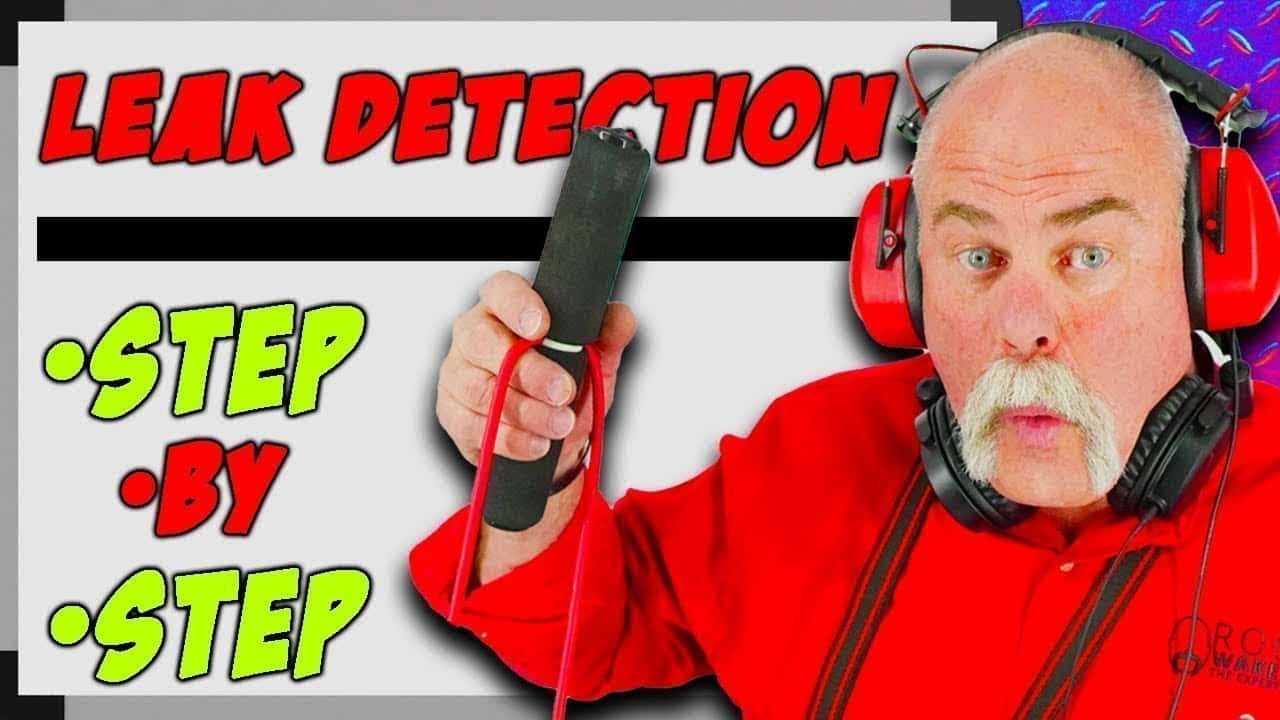
In this video, Roger Wakefield draws a house on a board and walks through the steps he uses on a leak call, including how he separates the yard and the irrigation system from the house before he starts listening.
What is a sprinkler line leak?
A sprinkler line leak is water escaping anywhere in an in-ground irrigation system. The U.S. Environmental Protection Agency (EPA) checklist A Checklist for Your Landscape says leaks can occur at irrigation valves, connection points, joints, sprinkler heads and drip irrigation lines.
How much water can an irrigation leak waste?
More than most people expect. On its WaterSense Fix a Leak Week page, the EPA says an irrigation system with a leak 1/32nd of an inch in diameter can waste about 6,300 gallons of water per month.
The same EPA landscape checklist says just one broken or missing sprinkler component could waste as much as 1,000 gallons of water per week.
What are the signs of a sprinkler line leak?
Most irrigation leaks show up in the yard before they show up on the water bill. Watch for these signs:
- Water pooling on the surface while the system runs, or runoff after it shuts off.
- One area of the yard that stays saturated when the rest is dry.
- Sprinkler heads that are missing, broken or do not pop up fully.
- Drip lines that have been cut or moved out of place.
- Small geysers at a head or a fitting.
- A water meter that keeps moving when nobody in the house is using water.
Why check the irrigation system first on a leak call?
Because it can save the customer a lot of trouble. In his video SLAB LEAK DETECTION WHERE DO YOU START?, Roger says you would rather find a leak out in the yard or on the irrigation system for the customer, because then they do not have to go through the whole leak detection process or a slab leak.
How do you prove the leak is on the irrigation system?
You isolate it, one valve at a time. This is the order Roger shows in the embedded video:
- Look on the way in: note where the meter box and the valve box are, and whether the home has an irrigation system.
- Check the meter: open the lid and see whether it is turning, spinning or bouncing.
- Find the irrigation box: check whether there is a backflow preventer for the sprinkler system.
- Split the yard from the house: shut the valve at the house. If the meter stops, the leak is under the house. If it keeps moving, the leak is out in the yard.
- Split off the sprinklers: shut the valve at the backflow preventer. If the meter stops turning, the leak is on the irrigation system.
What is a double check assembly?
A double check assembly is a type of backflow preventer: it keeps water from the sprinkler system from flowing back into the drinking water. In What EVERY Plumber Needs to KNOW About Slab Leak Detection, Roger says to go to the yard and listen to the double check, because you want to isolate the irrigation system from the house.
What should you do once the leak is on the sprinkler side?
Move the hunt into the yard. The EPA landscape checklist says to walk through the landscape while the system is running, look for water pooling on the surface, and flag the location of each leak or break.
Run one zone at a time so you know which part of the system you are looking at, and mark every wet spot, broken head and geyser you find.
How do you listen for a sprinkler line leak?
With a listening tool on every point you can reach. In his slab leak video, Roger says that with his LeakPro equipment he can listen to the meter, the valve box, the irrigation system and every different zone valve on it. You put the tip on the valve, squeeze the trigger and listen in the headphones. Learn how that works in acoustic leak detection.
Why trace the line before you dig?
So the hole goes in the right place. In the embedded video, Roger says he locates the line right where it is so he can listen right above it. See line locating for plumbers to trace a pipe before you dig, and how to find an underground water line leak if the leak turns out to be on the main service line instead.
When should a homeowner call a pro?
When the meter keeps moving and the leak is not easy to see. The EPA suggests hiring an irrigation professional certified by a WaterSense labeled program to inspect the system, and its checklist says to flag each leak or break and contact an irrigation professional.
If the leak could be on the house side, a plumber trained in leak detection can isolate it before anyone digs or cuts.
When should you check a sprinkler system for leaks?
Every spring, before you use it. The EPA says that if you have an in-ground irrigation system, you should check it each spring before use, and its home maintenance checklist says to winterize the irrigation system to prepare for cold weather.
Frequently asked questions about sprinkler line leaks
These are the questions homeowners and plumbers ask most about finding a leak in an irrigation system.
Can a sprinkler line leak raise my water bill?
Yes. Irrigation water runs through your meter, so a leak on the sprinkler system shows up on the bill. The EPA says a leak 1/32nd of an inch in diameter can waste about 6,300 gallons of water per month.
How do I know if the leak is in the sprinklers or the house?
Shut the valve at the backflow preventer and watch the meter. Roger says that if the meter stops turning, you know the leak is on the irrigation system.
Do you have to dig up the whole yard to find it?
No. Isolating the system, walking each zone and listening at the valves narrows the leak down to one spot. Roger tells plumbers to double and triple check themselves before they dig or cut.
Can leak detection equipment find irrigation leaks?
Yes. Roger says he uses his LeakPro equipment to listen to the irrigation system and every zone valve on it.
Who is Roger Wakefield?
Roger Wakefield is a licensed Master Plumber who teaches leak detection on his YouTube channel.
Ready to find the leaks other people miss?
Look into LeakPro leak detection training for current dates and details, read about the leak detection process, or contact LeakPro at 1-888-853-2577 to talk it through.
Leave a Reply